01Reserve Geometry and the Reserve-Setting Cycle
When energy runs short, other systems cover the gap, and the covering itself costs energy. The loss stays invisible until a line is crossed, then failure arrives suddenly.
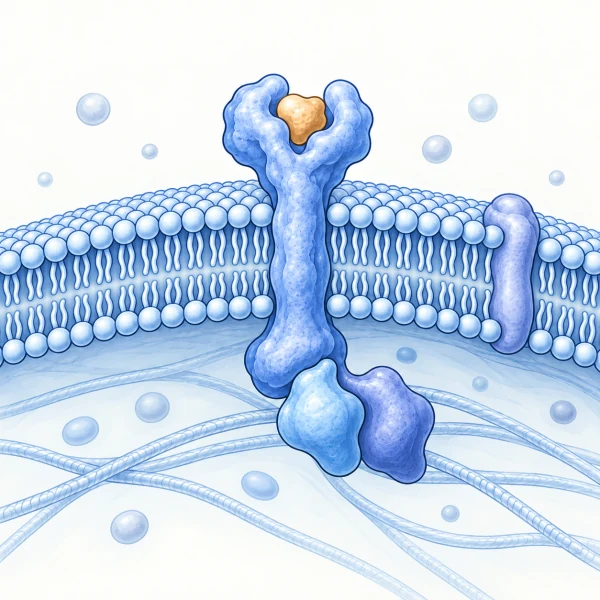
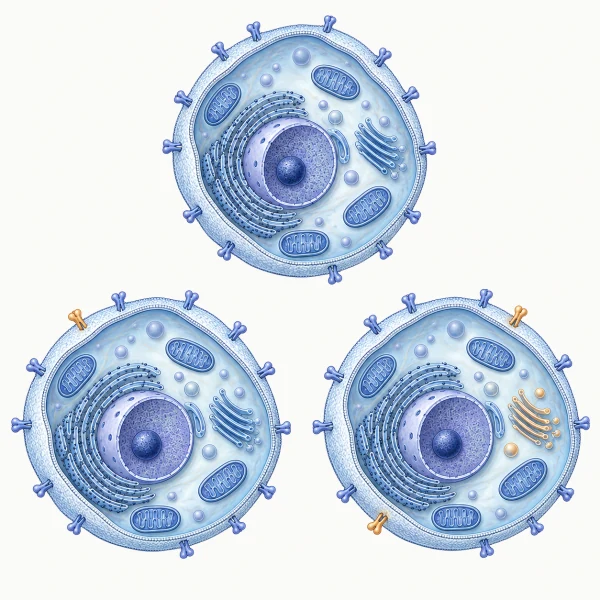
Energy-constraint frameworks describe how the body divides finite energy among staying alive, handling stress, and growth, maintenance and repair. Picard and Murugan’s energy resistance principle links a cell’s energy supply to its work, adaptation and recovery. Our rate law resolves one part of that maintenance: the pool of working receivers, with its own rates of building, return and loss. Energetic strain limits the work a cell can do and slows the rebuilding of its receivers. Loss of working receivers raises the command and compensating work needed to hold output steady. Together they set how fast the reserve margin, capacity divided by demand, shrinks, and predict when capacity can no longer meet the task.
One prediction sets the model apart: energy can recover, or the cause be removed, before function does, because rebuilding the receivers takes longer.
We apply it first to the median eminence, where adult-human transcript data place receptor and energy-handling machinery in vessel, immune, glial and nerve cells. Measured through a defined challenge and an equivalent later one, the same quantities show when source control, receiver protection, rebuilding or bypass can restore function.
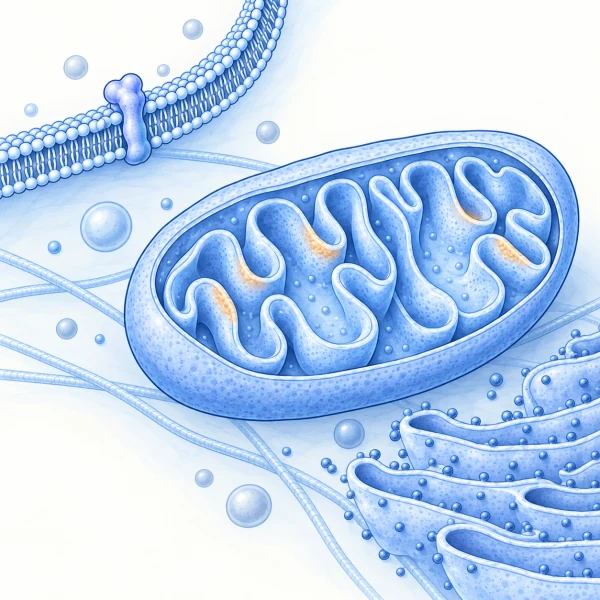
Mitochondria do more than supply energy. They supply building blocks for rebuilding, make steroid hormones, change the signals a stressed cell sends out, and must themselves be rebuilt. A cell can regain its resting respiration before it can rebuild what later work needs. Repairing the mitochondrial source, blocking its stress signal and rebuilding the organelle are therefore separate treatments, each with its own result to measure.
GDF15, a circulating stress signal, is a candidate marker within this programme. Its value has to be shown against direct measurements of energy, receivers and recovery.
Explains how energy shortfall and receiver loss together set the time to functional failure, and to recovery.
In the manifesto: A treatment needs a receiver that works
Discuss a partnership