02The Competent Receiver
Reserve Geometry and the Reserve-Setting Cycle
Two people with the same diagnosis can differ in what they can do, how much effort it costs and how well they recover. Our discoveries explain how a person’s biological state shapes that capacity, and how each response and its recovery change what becomes possible next.
This gives us a way to investigate why a treatment helps one person more than another, or why an initial improvement does not last.
The Reserve-Setting Law states that each biological response and its recovery set the capacity available for the next demand. Reserve geometry describes the state of the body before and after that demand. The Reserve-Setting Cycle describes the eight operations that carry it from one state to the next.
Our work on biological state memory describes what one response leaves behind that changes the next, and how to test whether treatment has corrected it.
How does a cause become a disease? A gene change, a germ or a tumour starts a disease. It does not decide on its own how that disease looks, when it shows or how long it lasts. That also depends on the tissue it acts through: what reaches it, how well it can receive it, what materials it has to hand, and how well it rebuilds. We call those working parts the disease substrate, and every response changes them for the next one.
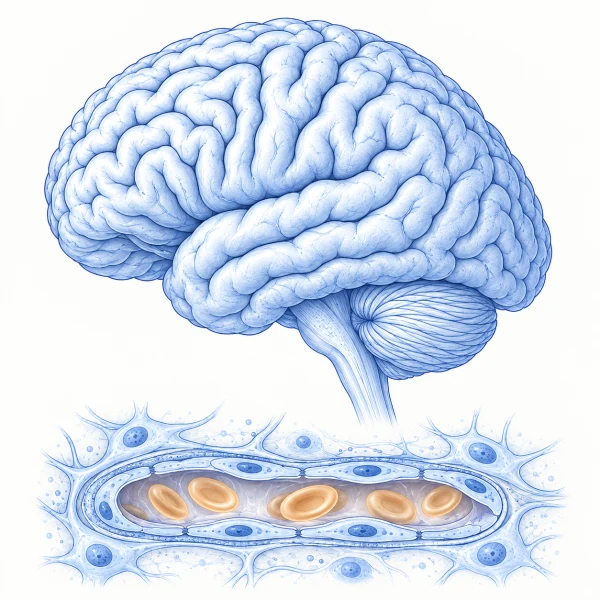
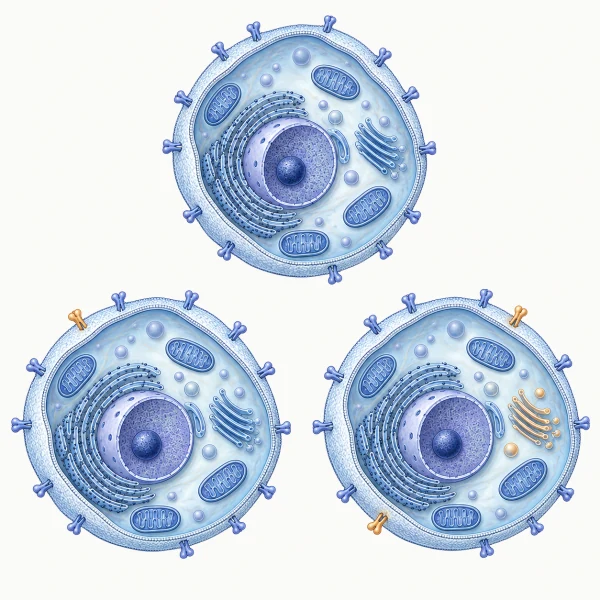
To find where to test this, we compared groups of genes linked to disease with groups of genes for everyday body tasks, in adult human brain-interface cells. Some cell groups carry both. Those are places to run an experiment, not proof of a cause.
Describes the capacity available now and how responding and recovering change what is available next.
In the manifesto: Every response helps set the next one
Discuss a partnership