01Reserve Geometry and the Reserve-Setting Cycle
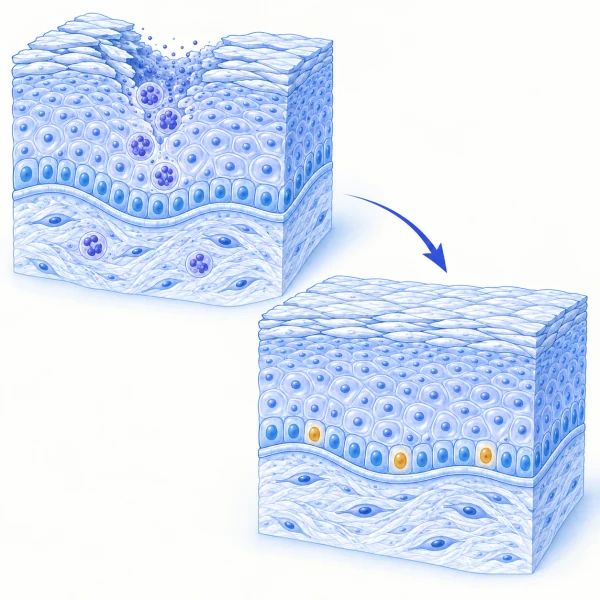
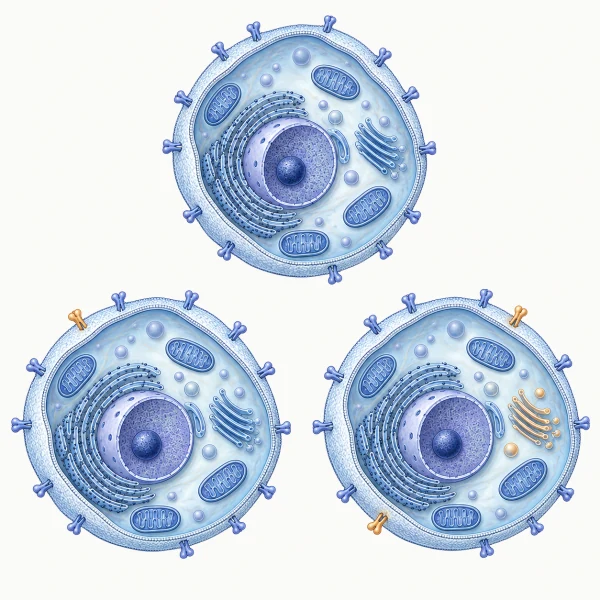
A tissue can look healed and still respond differently the next time. An infection, injury or treatment can leave a change that lasts through recovery and alters the next response.
We call such a change biological state memory. It can make the next response faster or cheaper, hold a problem in place, or change which cells respond. Each outcome calls for a different treatment.
Our work separates three questions: whether a change persists, whether it alters the next response, and what physically holds it. When a selective treatment corrects that carrier and the next response returns to normal, the carrier is shown to be the cause.
Explains how a change left by one response persists through recovery and alters the next.
In the manifesto: Every response helps set the next one
Discuss a partnership