08Energy Resistance
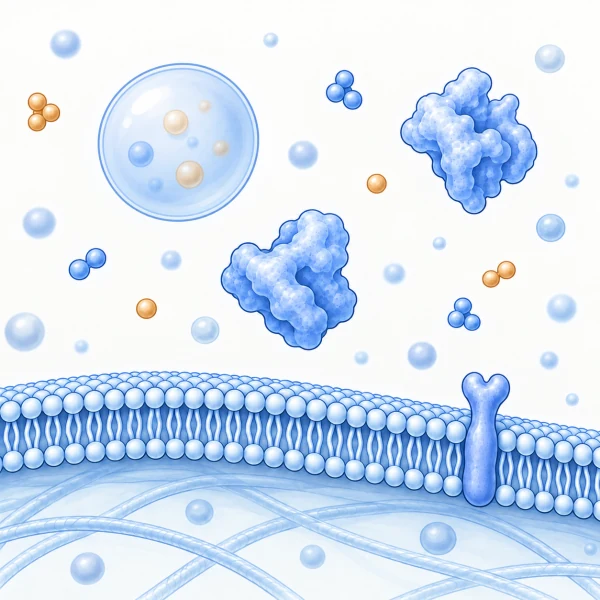
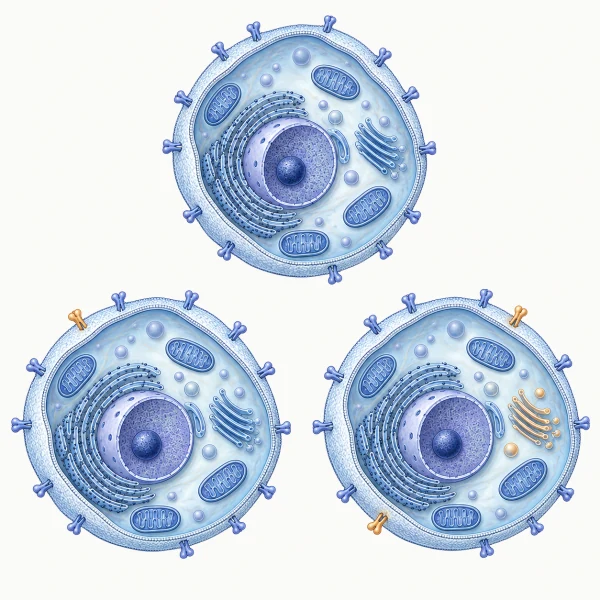
A source is not the same as the thing that acts on a cell. A bacterium, a tumour, an injury or a drug releases many active forms: enzymes, vesicles, metabolites, fragments, a drug and its breakdown products. We call each one an external effector: an input that arrives from outside the system it acts on. External means outside that receiving system, not outside the body. Insulin is external to the cell it acts on.
What an effector does depends on the form that arrives, what carries it, the route it takes, how much arrives and for how long, and the state of the tissue it meets. The same level in blood need not mean the same exposure in two organs. Finding material in a tissue shows where it ended up, not how it got there.
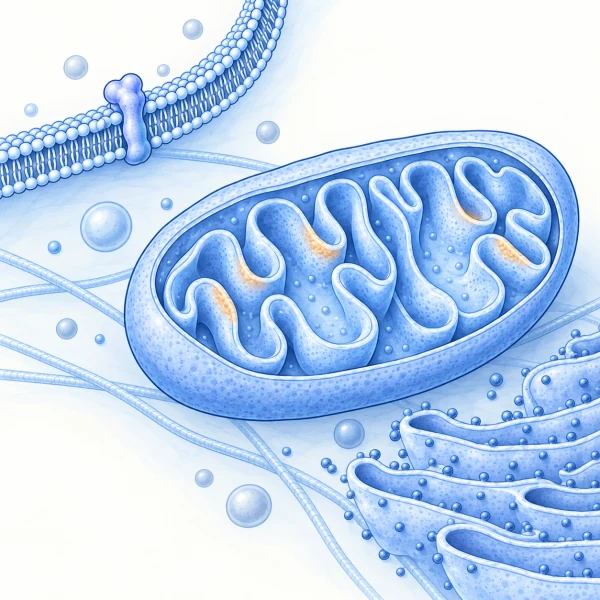
Some inputs are read, and some do damage. A protease released by Porphyromonas gingivalis, a bacterium of the mouth, cuts the insulin receptor. Published work shows cutting of the purified human receptor, and reduced receptor levels and sugar uptake in cell experiments, with supporting work in mice. One liver cell line used in that work has since been shown to be misidentified, so it cannot stand for normal human liver. Whether vesicles carry the enzyme to receptors elsewhere in the body is a question we propose to test, not a finished result.
Ending an exposure is not the same as recovery. Production can stop while active material remains. The body’s own cells can carry the response on. Receptors and tissue may need rebuilding before an ordinary signal works again. A cell whose receptors have been restored can still release a different mixture of signals, and those become the inputs the next tissue meets. An earlier exposure can also leave a tissue better prepared.
So a useful test has to tell these steps apart: is the exposure still active, can the receiver work, can the tissue do the work, and has a lasting change altered the later response. Each answer points to a different treatment.
What reaches a cell, how it gets there, and what it leaves behind for the next demand.
In the manifesto: What reaches the system changes what it can do
Discuss a partnership