06The First Reserve
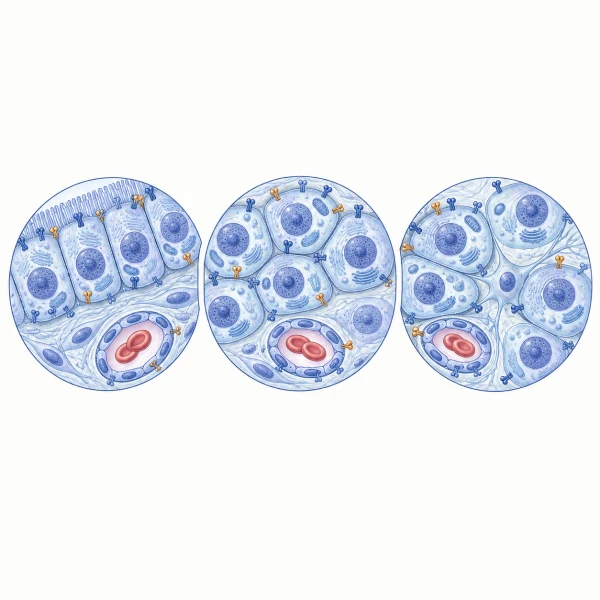
The same signal can meet different receptors and signalling in different people and at different stages of life. Our analyses of human tissue map differences in the cells and receptors through which signals act.
Sex can enter this architecture at several steps: through the dose of sex-chromosome genes, through hormone exposure during a developmental window, through the placenta, and through the mosaic of cells produced by X-chromosome inactivation. Each calls for a different measurement.
These discoveries guide research into why vulnerability, treatment response and recovery differ with sex and life stage.
Shows how the receptors and signalling supporting response differ between people and across life stages.
Discuss a partnership