01Reserve Geometry and the Reserve-Setting Cycle
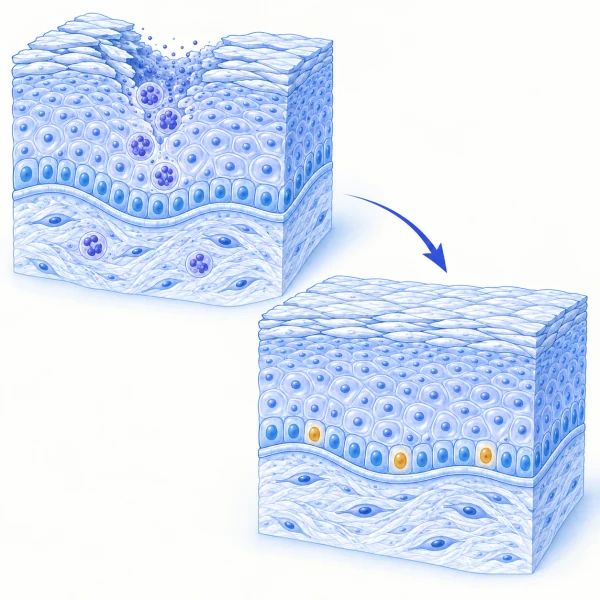
The hallmarks of aging name the biological processes that change with age, from damaged DNA and worn proteins to exhausted stem cells and persistent inflammation. What they mean for a person depends on which functions they restrict, what keeps that restriction in place, and how well the body recovers. Our preprint connects each hallmark to what reaches a tissue, the usable machinery that receives it, the work its cells complete, and the function left after rebuilding.
An aging tissue carries a history, but it lives in conditions that can change. Heart transplantation separates the age of an organ from the age of the body supporting it: in mice, grafts shifted in molecular age measures toward their recipients, and a small study of human heart biopsies points the same way. The question is not only what has accumulated, but which present conditions preserve function, which sustain a restriction, and which can be changed.
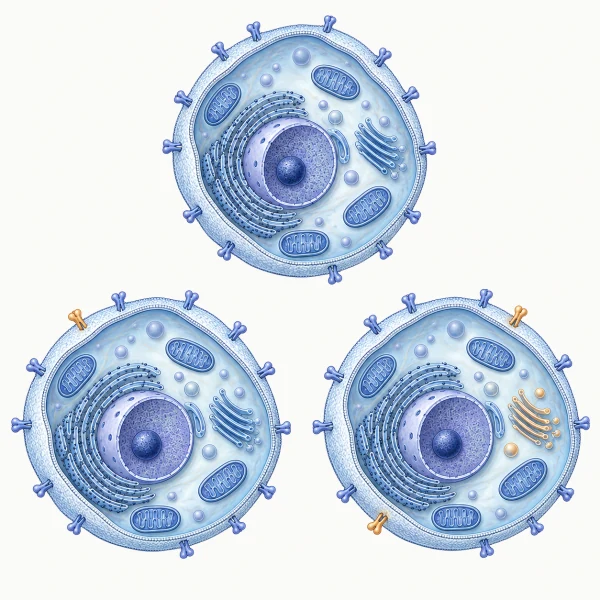
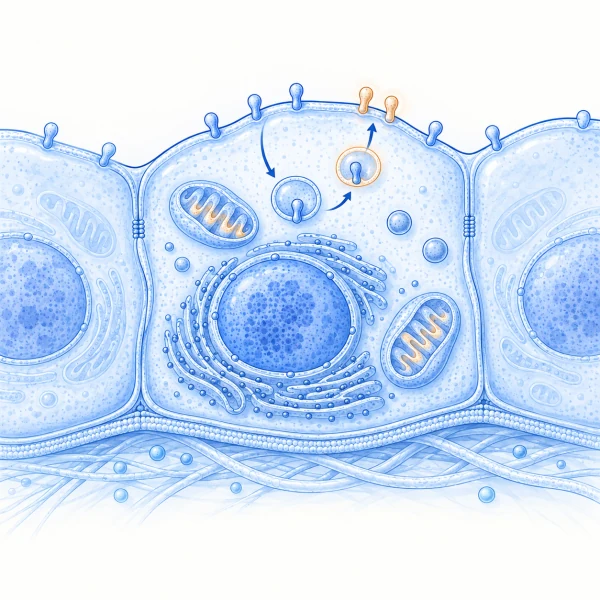
We call the central mechanism reconstruction attrition: useful capacity is lost when repair, replacement and reorganisation stop keeping up with the machinery that recurring work needs. A weak response can come from too little hormone, poor delivery, too few usable receptors, or cells that cannot finish the work. Each calls for a different correction.
Published studies resolve different parts of this. In aged mouse bone-marrow stromal cells, loss of one mitochondrial citrate carrier changed gene regulation and blocked bone-forming differentiation; restoring the carrier or supplying acetate improved it. Human blood stem cells studied in an experimental system kept a memory of inflammation that restrained their later output. Senescent human cells released retrovirus-like particles that passed senescence-associated changes to other cells, so an altered cell can become a new source.
Treatment is part of the state it later meets. In older adults training for twelve weeks, metformin blunted the gain in insulin sensitivity and prevented the rise in muscle mitochondrial respiration. After some cancer therapies, blood-cell production recovers but is carried by clones with DNA-damage-response mutations. Output can return while the population producing it has changed.
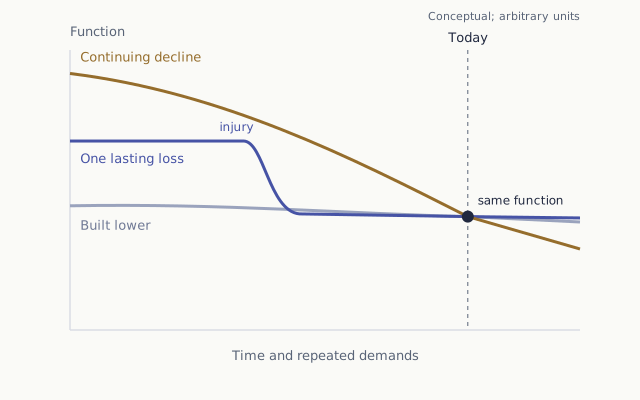
A methylation clock and a test of what a system can do answer different questions. A human atlas across seventeen tissues found both shared and tissue-specific age patterns in methylation. Neither a clock nor a single test replaces the other. Followed over time, function separates three goals: a higher level, faster recovery, and slower decline.
Our key experiment matches the first result of two treatments, one that corrects a maintenance defect and one that supports output by another route, then measures what each leaves for an equivalent later demand.
Connects the hallmarks of aging to the function a person keeps, and to the corrections that could preserve it.
In the manifesto: Connect the hallmarks to the whole patient
Discuss a partnership