07External Effectors
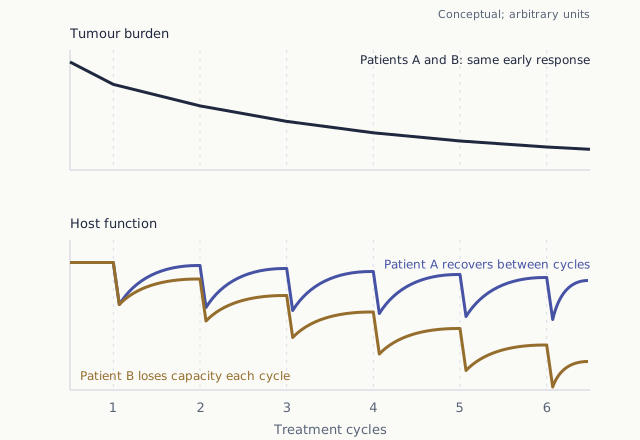
Two patients can show the same early shrinkage of a tumour and be left in very different states. In one, the remaining cancer cells stay vulnerable while the patient recovers blood-cell production, appetite, movement and repair. In the other, surviving cells keep routes to persistence while the patient loses the functions needed for further treatment and everyday life. An early tumour measurement cannot tell them apart.
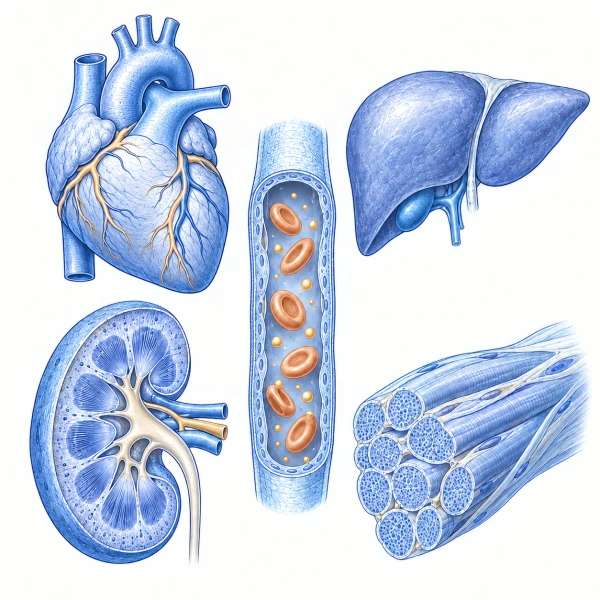
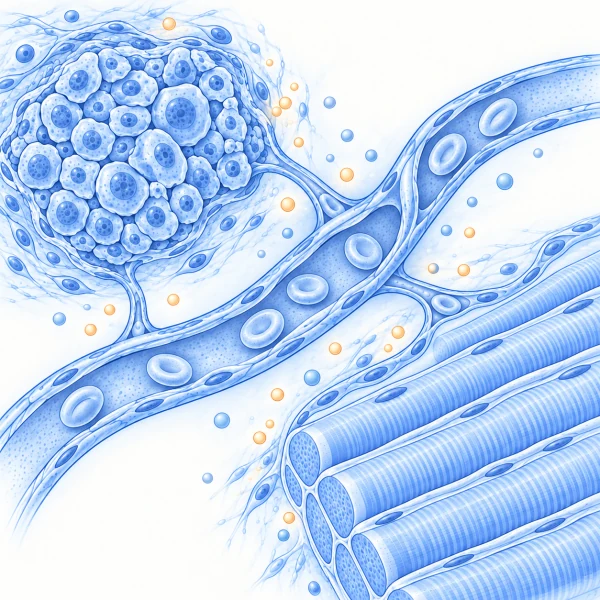
The hallmarks of cancer describe what malignant cells acquire. Whether those capabilities are expressed depends on the signals and materials that reach the cells, the machinery that turns them into work, and the ability to maintain that machinery through repeated demands. The same holds for the host tissues that must contain the cancer, tolerate treatment and recover. Our preprint applies five of our foundations to both at once: external effectors, systemic metabolic readability, the competent receiver, energy resistance and the Reserve-Setting Law.
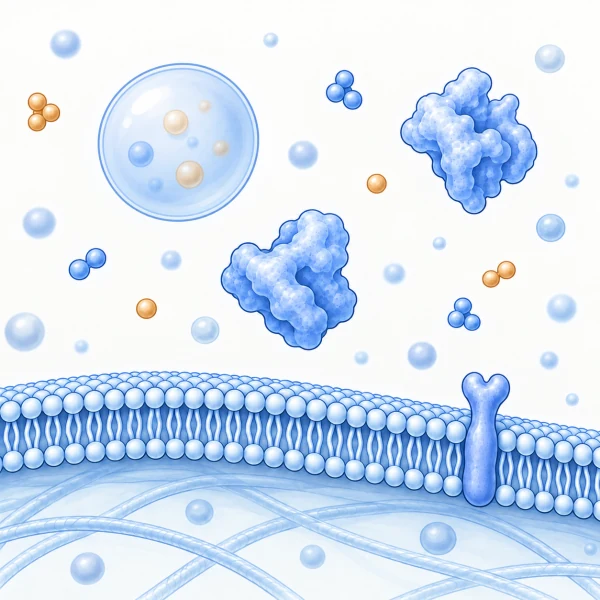
The host’s own responses can become part of the cancer’s mechanism. In mouse tumour models, blocking the growth enzyme PI3K disturbed the host’s glucose handling, and the insulin released in response restored the tumour’s growth signalling despite continued drug exposure. Suppressing that feedback improved treatment.
Treatment can also open new supply routes. In cancer-cell systems, surviving cells took up debris from dying cells as nutrients and resisted drugs aimed at their growth. Human lung tumours use lactate from the blood as fuel. Comparable early killing can leave different conditions for the cells that survive.
Wasting has more than one cause. In patients with cancer cachexia and raised GDF15, blocking that circulating signal improved body weight, so part of the wasting is signal-driven. Losing an ordinary organ service is a different problem: in mice, disturbed digestion from a failing pancreas has been linked to wasting in its own right.
Every anticancer drug also acts on the host. It can change host targets, trigger secondary signals, and alter what is available for the next cycle. A later response can reflect leftover drug, continuing signals, changed machinery or a different surviving population, each with its own time course.
Our central experiment holds the early effect on the cancer comparable, changes one named host operation, and measures later tumour control and host function separately. The aim is paired: lasting control of the cancer and preserved function for the patient.
Connects the hallmarks of cancer to what the tumour can still do and what the patient can still do.
In the manifesto: Connect the hallmarks to the whole patient
Discuss a partnership